LIVE · iOS · Closed beta · Android;

Clubfoot Forward is live in closed beta. Built for families and adults navigating the clubfoot journey.

On iPhone? iOS is now LIVE, Download Here

Independent · patient-led · no sponsors

Clubfoot help that follows the story past childhood

Most clubfoot information stops when the bracing does. This does not. It is written for the parent holding a diagnosis they had not heard of last week, and for the adult who was told at fifteen that it was all sorted and is now thirty-eight and limping by four in the afternoon.

Start where you are

Three doors

Clubfoot (club foot, clubfeet, talipes equinovarus, CTEV, depending on who is writing) is one of the most treatable conditions a baby can be born with, and one of the least followed up once they stop being a baby. Both halves of that sentence matter, and most resources only cover the first.

About 1 in 1,000Babies born with clubfoot, making it one of the commonest congenital differences.
Roughly halfHave both feet affected rather than one.
Decades laterIs when adult symptoms typically appear. Not because the foot failed, but because the reserve did.

Why this exists

Written from inside it

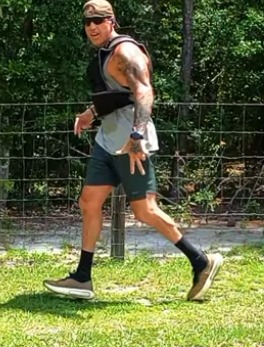
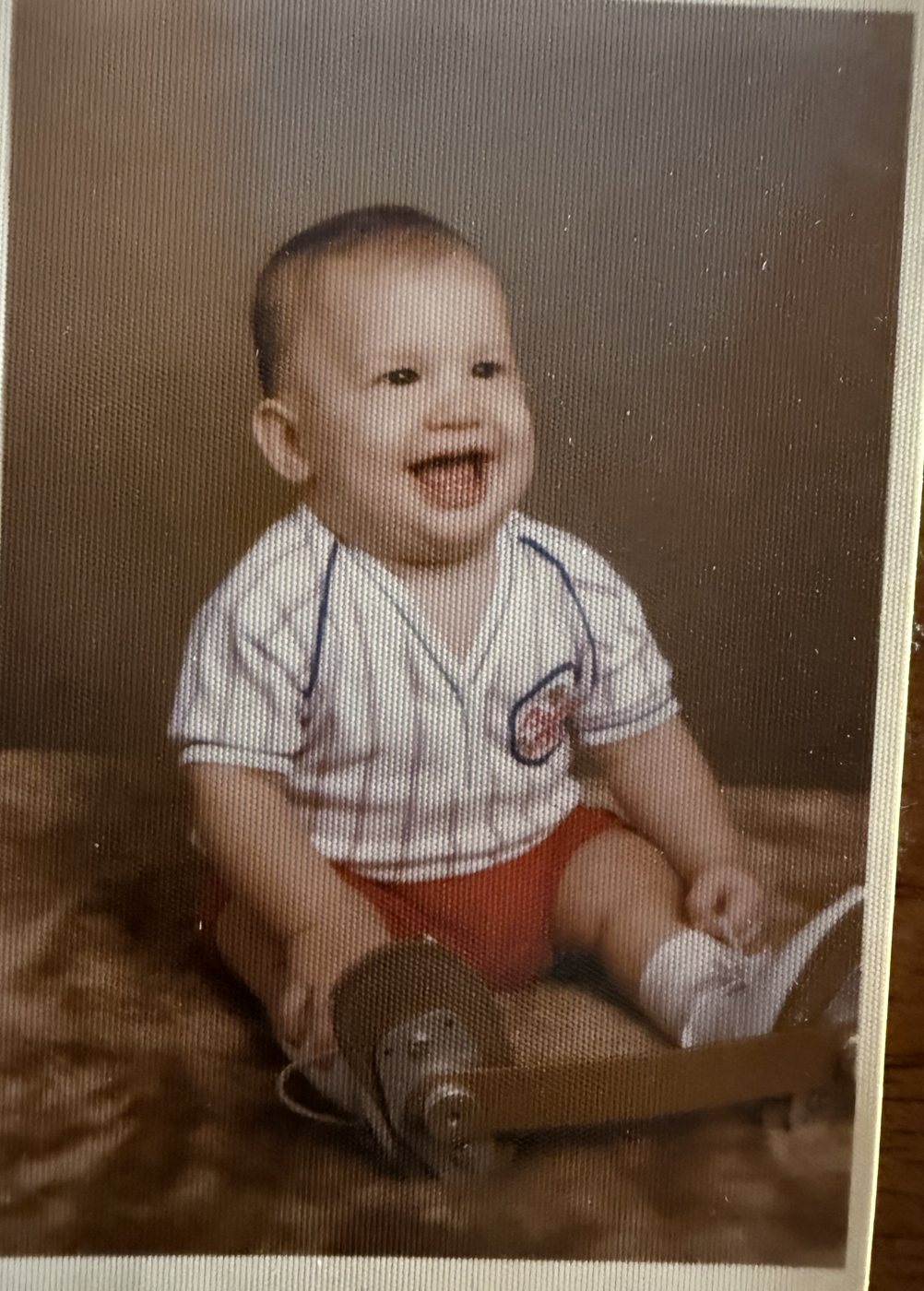
I have bilateral clubfoot. I had extensive surgery as a child in the era when that was standard, a relapse on the left, and eventually a triple arthrodesis. I served in the military on those feet and I still run on them.

That is not a qualification to practice medicine and this site does not pretend otherwise. What it does mean is that the questions here are the ones I actually had, asked in the order they actually arrive, and answered without the reflexive optimism that makes so much clubfoot writing useless by about age thirty.
Every page says who wrote it, when it was reviewed, and what it deliberately does not cover.

Also here

Beyond the three hubs

On your phone

There is an app now, and it works with no signal

Free, no account, nothing locked. It counts the casts, times the brace hours, and holds what the surgeon actually said — and it opens in a casting clinic or a hospital basement where the bars disappear and a website is no use to anyone. What you put in stays on the phone.

What the app does → iOS now. Android pending.

Common questions

About this site

Who is this for?
Parents of a newly diagnosed baby, parents partway through casting or bracing, and adults who were treated decades ago and are now noticing pain, stiffness or a changing gait.
Is this medical advice?
No. It is orientation and lived experience, written to help you understand your own situation and have a better conversation with the people treating you. Nothing here replaces an examination.
Why does adult clubfoot get so little coverage?
Because clubfoot research and services are built around infants and children. Most people are discharged in their teens, and the published follow-up largely stops there, which leaves adults with questions nobody has organized answers to.
Who writes it?
Heath, who has bilateral clubfoot, extensive childhood surgery, a left-sided relapse and a triple arthrodesis, and who served in the military and runs distance. Every page carries an author and a review date.
Is it sponsored?
No. It takes no money from manufacturers, clinics or brands, and it does not recommend products it sells. Where anything is paid for, the page says so plainly.
Where should I start?
Pick whichever of the three entry points matches you: a new diagnosis, treatment already underway, or adulthood. Each one leads to a hub that routes onward instead of trying to answer everything at once.
What is Clubfoot Forward?
An independent clubfoot resource written by an adult who has it, covering the whole life course instead of only infancy. It is not affiliated with any hospital, manufacturer or charity, and it sells nothing that it also recommends.
Who is this site for?
Parents of a newly diagnosed baby, parents partway through casting or bracing, and adults who were treated decades ago and are now noticing pain, stiffness or a changing gait.

Clubfoot Forward is written by Heath, an adult with bilateral clubfoot, childhood surgery and a triple arthrodesis. It is independent, unsponsored, and is orientation and lived experience, not medical advice. If you are worried about a foot, see someone who can examine it. Reviewed September 2026. See the editorial policy and how to get in touch.