Bilateral clubfoot is a journey from diagnosis to running. This guide covers the Ponseti method, casting, and adult life with bilateral clubfoot.
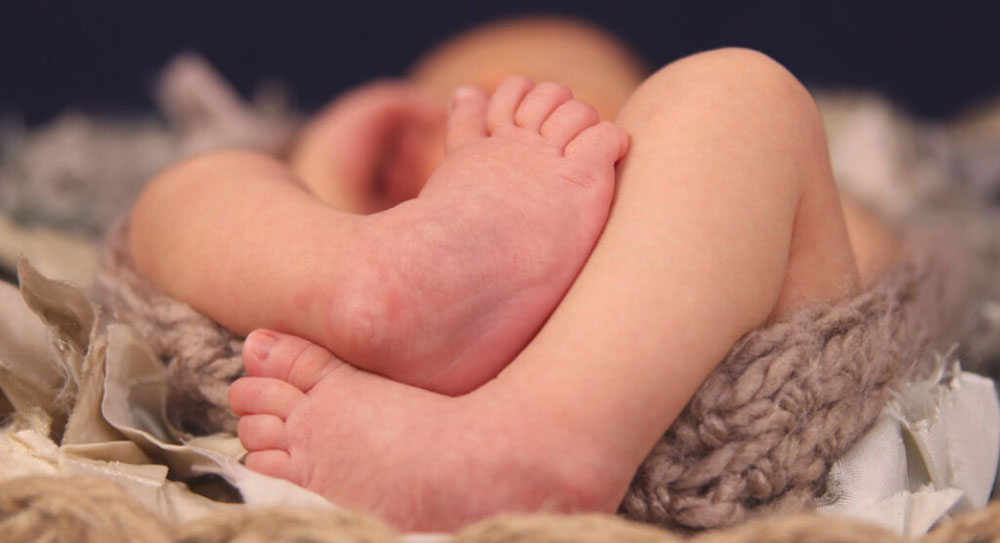
Bilateral Clubfoot: The Ultimate Guide from Diagnosis to Running
Advanced Bracing: The Boots and Bar (BNB) Phase
Once the bilateral clubfoot casting is complete and the tenotomy has healed, you move into the maintenance phase. This is where most relapses occur. The Boots and Bar (BNB) protocol typically requires 23-hour wear for the first three months, followed by nap and nighttime wear until age four or five.
As an adult clubfoot runner, I cannot stress this enough: The bar is not a punishment; it is the anchor for your child’s future mobility. Without the bar, the muscles and tendons have a natural tendency to pull the foot back into the clubbed position. Consistency during these years is what allowed me to develop the structural integrity to run marathons decades later.
Physical Therapy and Stretching for Clubfoot
While the Ponseti method does the heavy lifting, supplemental stretching can play a vital role. Focusing on dorsiflexion (pulling the toes toward the shin) and calf flexibility helps mitigate the “stiff ankle” issues many adults face. If you are an adult hiker or runner with clubfoot, incorporating eccentric heel drops and slant-board stretches into your daily routine is essential for managing calf atrophy and maintaining a healthy gait.
Key SEO Takeaways for Parents:
- Bilateral Clubfoot affects both feet but has the same high success rate as unilateral cases.
- The Ponseti Method is non-invasive and the global gold standard for treatment.
- Running with Clubfoot is achievable with proper early correction and adult strength training.